
Ice and Snow Can Cause Damage to Your Foundation
While a few inches of rain may not seem threatening, a heavy snowfall is essentially stored water waiting to be released. Ten inches of snow can equal one inch of water. When that snow melts all at once during a warm spell or rapid temperature shift, the soil around your house can become oversaturated.
If your yard isn’t graded properly or your gutters and downspouts aren’t directing water away, melting ice becomes pooled water—water that wants to find somewhere to go. Unfortunately, the path of least resistance is often right into or under your foundation.
Poor Drainage Accelerates Foundation Problems
If your home doesn’t have adequate drainage systems in place, melting snow and ice can cause several types of damage:
1. Hydrostatic Pressure
As soil becomes waterlogged, pressure builds against your foundation walls. Over time, this pressure can cause cracking, bowing, and seepage into your basement or crawl space.
2. Soil Erosion
Water draining too close to your foundation can wash away supporting soil, causing parts of your foundation to settle unevenly. This leads to sloping floors, cracked walls, and doors that stop closing properly.
3. Water Intrusion
Melting ice that pools against your home can seep through cracks or porous concrete. Moisture inside your basement invites mold growth, wood rot, and unpleasant odors.
How to Protect Your Foundation Before the Thaw
Prevention is far easier—and far cheaper—than foundation repair. Here’s what you can do:
-
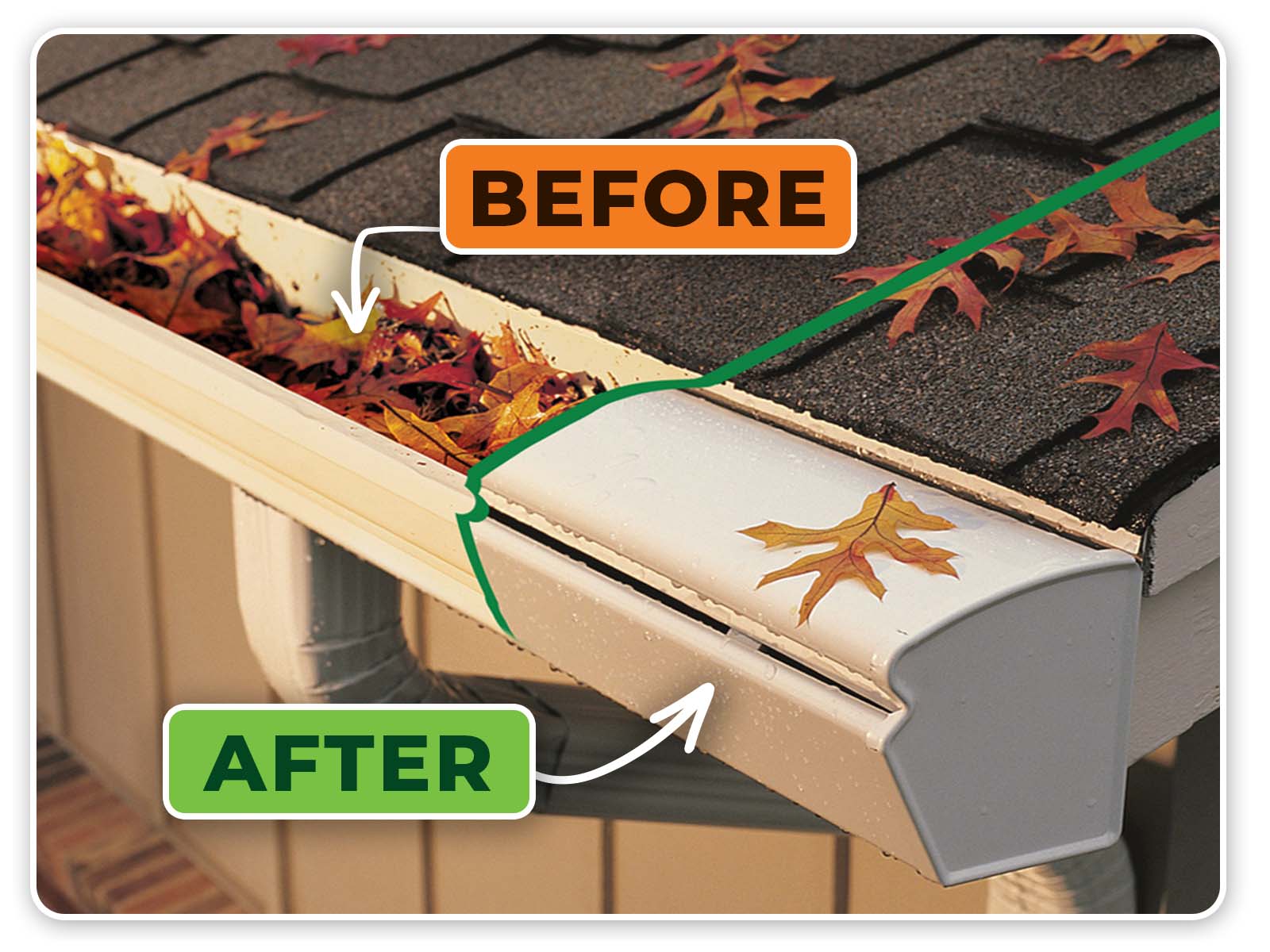
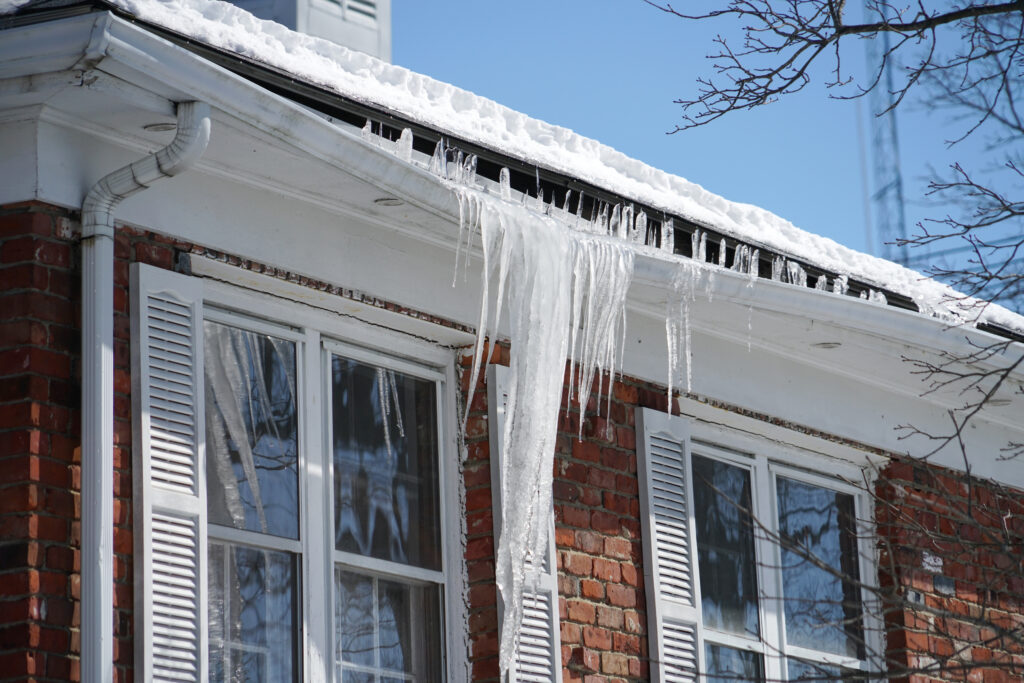
Clean gutters and downspouts before snowfall begins. Blocked gutters lead to ice dams and overflowing water next to your foundation.
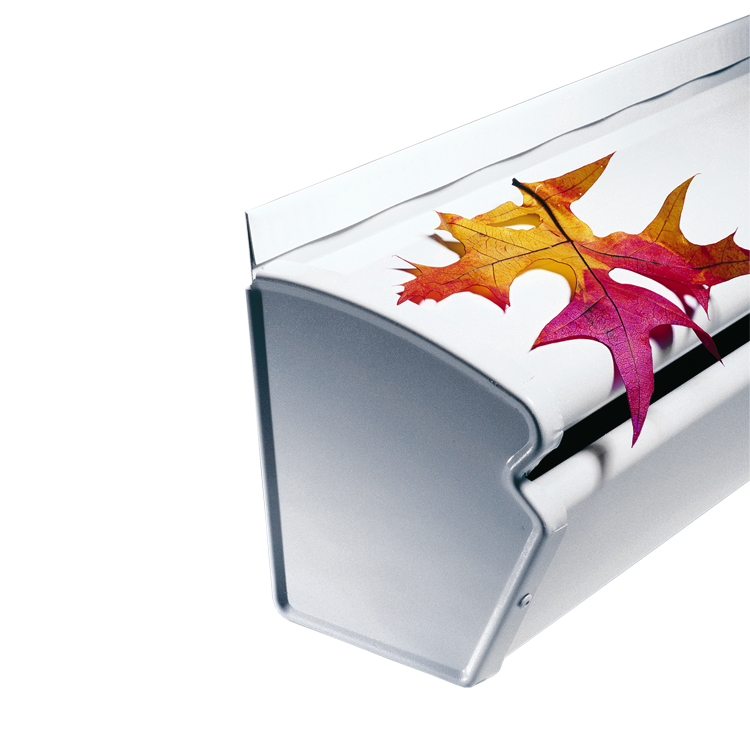
- If you are not certain that your gutters will be able to protect your home throughout the entire winter season, its time to replace. The K-Guard Leaf Free Gutter System is by far the best choice.
-
Extend downspouts at least 4–6 feet away from your home.
-
Check the grading around your home. Soil should slope away from the foundation to keep water moving outward.
-
Keep snow away from the foundation. Shovel large accumulations a few feet away from your home’s perimeter.
Melting winter ice is more than a seasonal inconvenience—it’s a major source of moisture that can threaten your foundation if drainage is poor. By understanding how freeze-thaw cycles and snowmelt impact your home, and by taking steps to improve water flow away from your foundation, you can prevent expensive damage and keep your home structurally sound. Winter may be harsh, but with smart preparation, your foundation doesn’t have to suffer because of it.
Home Evolutions VA is here to help! Call (434) 201-8356 or click here for a free estimate today!