Shopping for a new gutter solution in Central Virginia and trying to decide between K-Guard and LeafFilter? Before you compare prices or read another review, there is one thing worth understanding first: these are not the same type of product. LeafFilter is a micro-mesh screen that installs over your existing gutters. K-Guard is a complete gutter system that replaces them entirely. That single distinction drives every other difference between the two: cost, performance, warranty, and how each holds up through a Virginia winter.
Both companies will tell you that you will never need to clean out your gutters again. The mechanisms behind that promise are completely different, and in Central Virginia’s four-season climate, those differences matter more than they do almost anywhere else in the country.
This guide breaks down what each system actually is, how each performs in Virginia winters, what the warranties actually cover, and what to ask before you decide.
Key Takeaways
- LeafFilter is a micro-mesh screen installed over your existing gutters. K-Guard replaces the entire gutter system with a new, integrated hood-and-trough design.
- LeafFilter’s mesh can clog with pollen, maple spinners, and shingle grit, requiring periodic cleaning to maintain performance. K-Guard’s curved hood has no mesh surface for debris to accumulate on.
- K-Guard installs a full 5-inch trough and 3×4 downspouts. LeafFilter installs over your existing gutters, regardless of their size, age, or condition.
- LeafFilter’s warranty covers clog performance and material defects on the guard itself. K-Guard’s transferable lifetime no-clog guarantee covers the complete integrated system, including new gutters, with no exclusions and no separate coverage gaps.
What Are You Actually Comparing?
This is the framing that most comparison articles skip, and it is the most important thing to understand before you decide.
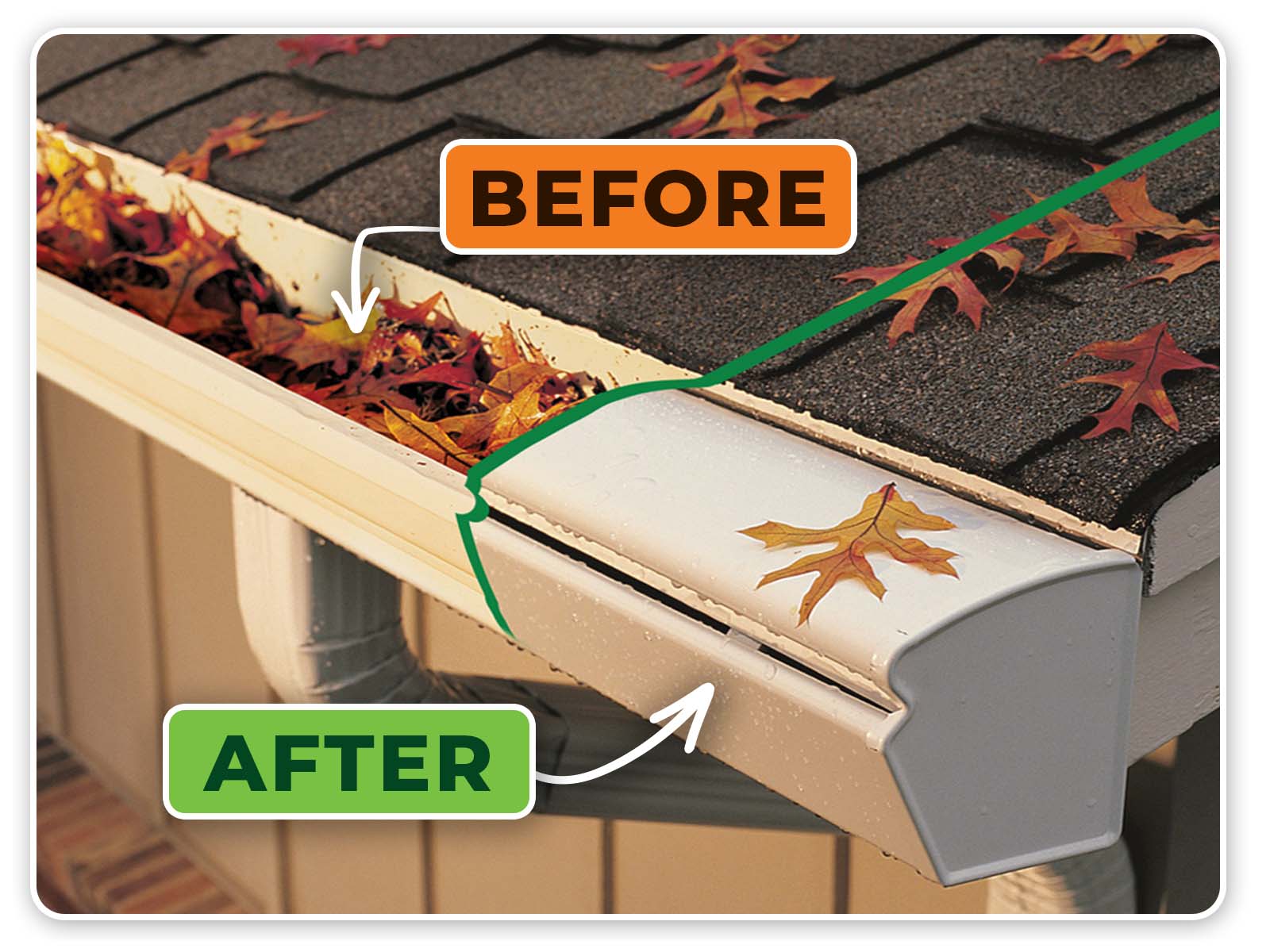
LeafFilter is an add-on product. A technician comes to your home, cleans your existing gutters, reinforces the gutters if needed, and installs the micro-mesh screen on top. Your original gutters stay in place. The LeafFilter guard sits above them and is intended to keep debris out of the trough below.
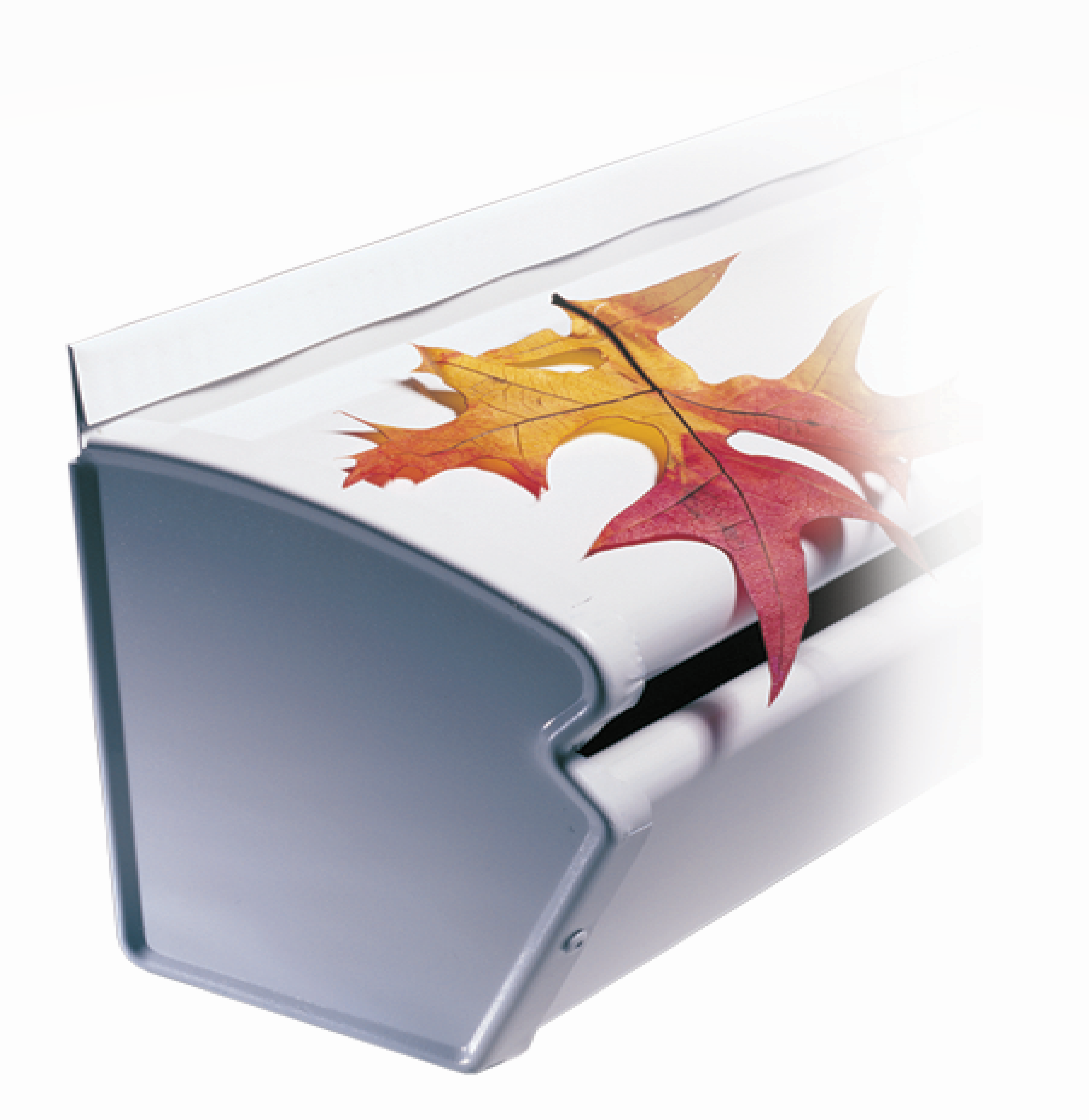
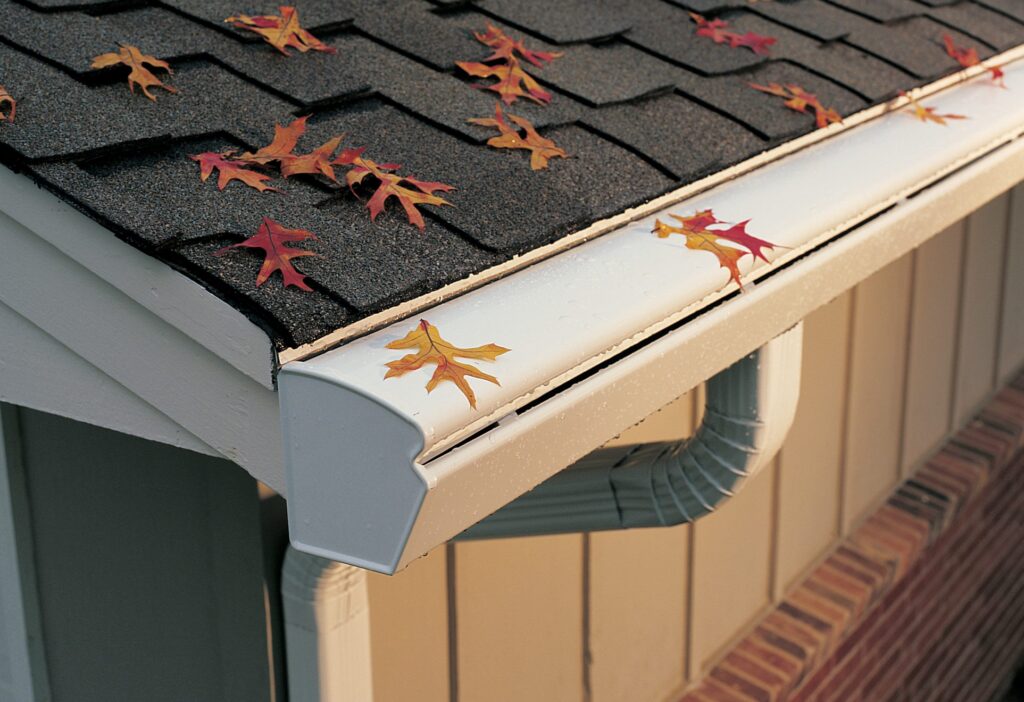
K-Guard is a full replacement. The installation crew removes your old gutters entirely and installs a new, integrated system: oversized aluminum trough, curved hood, and patented hangers, all engineered to work together.
The practical implication is this: if your existing gutters are undersized, aging, or already causing problems, adding LeafFilter improves them, but it does not fix them. K-Guard starts from zero. The new system is sized for your roof, built for your climate, and guaranteed for life on its own terms.
How Each System Handles Central Virginia’s Climate
Central Virginia puts gutter systems through more stress per year than most climates in the country. Wet springs with heavy seed drop. Fall leaf loads from dense maple, oak, and sycamore canopies. And winters that run through freeze-thaw cycles dozens of times between December and March. Each of those conditions stresses the two systems differently.
The freeze-thaw problem.
LeafFilter uses a fine stainless steel micro-mesh screen. When temperatures drop below freezing overnight, any water sitting on or in that mesh can freeze. This forms an ice layer that blocks flow until it thaws the next day. In Central Virginia, that cycle can repeat for weeks. K-Guard’s curved hood design has no horizontal mesh surface where water can pool and freeze. Water flows over the nose and into the trough during rain, leaving nothing for ice to form on when temperatures drop.
The fine debris problem.
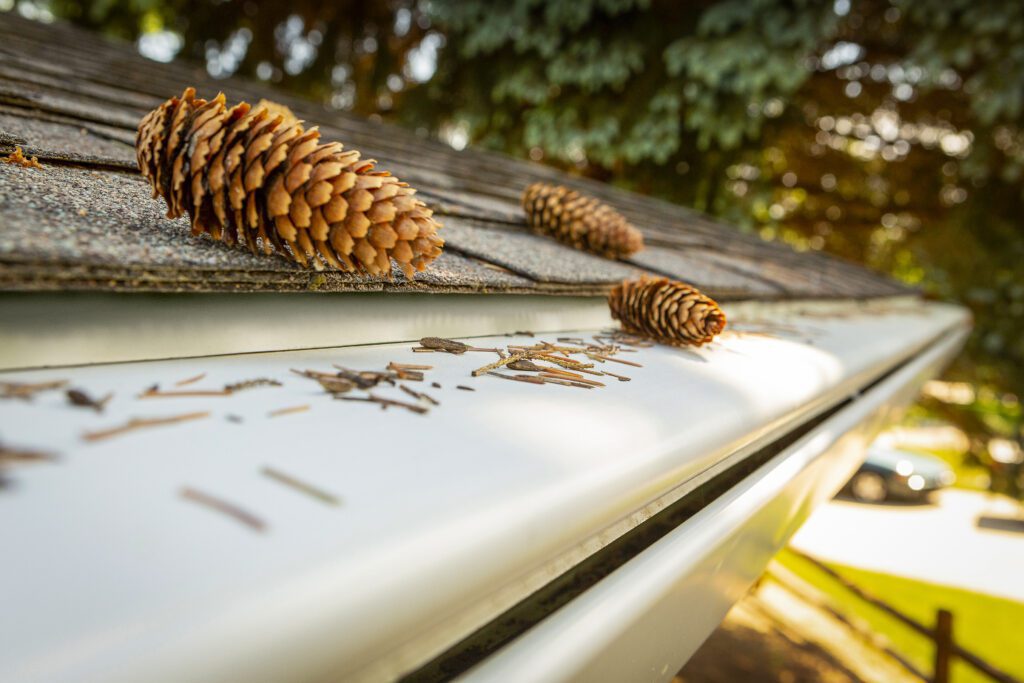
Large leaves are easy. The harder problem in Central Virginia is what comes after them: maple spinners in spring, cottonwood seed in early summer, pollen, and shingle grit year-round. These fine particles are small enough to sit on top of LeafFilter’s mesh and gradually reduce its flow rate. LeafFilter’s own guidance acknowledges that the mesh may require periodic cleaning when fine debris accumulates. K-Guard’s hood design sheds this material because there is no mesh surface for it to adhere to.
The capacity problem.
Standard gutters are typically 4 inches wide. During a heavy rainstorm, a 4-inch gutter on a large or steep roof will overflow regardless of whether it is clean. K-Guard installs a 5-inch trough with 3×4 downspouts, a meaningful increase in throughput for a climate that demands it. LeafFilter installs over your existing gutters. If those gutters are undersized for your roof, the guard does nothing to solve the overflow problem.
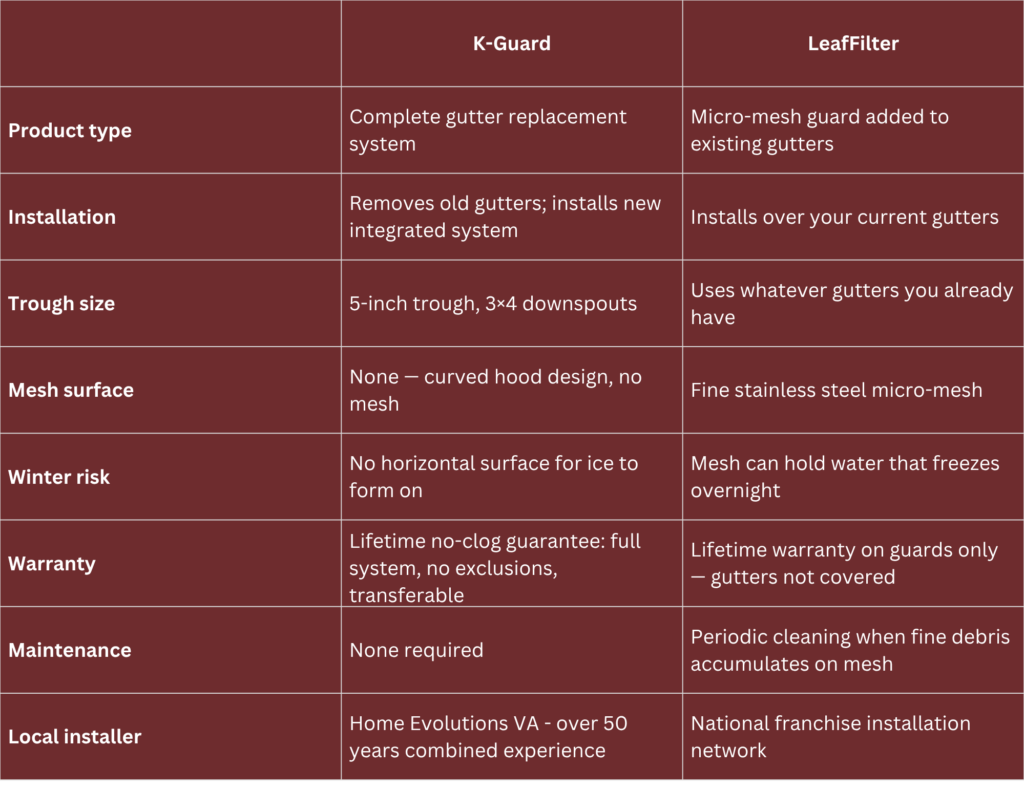
K-Guard vs. LeafFilter: Side by Side
The Warranty Difference: K-Guard vs. LeafFilter
LeafFilter’s warranty covers clog performance and material defects. If the system causes overflow or interior water damage, they will repair or refund it. What it does not cover is the condition of the underlying gutters themselves. If your existing gutters are aging, undersized, or structurally failing, that is outside the scope of the warranty.
K-Guard’s lifetime no-clog guarantee covers the entire system. If the system ever clogs, Home Evolutions VA comes out and clears it at no charge, as long as you own the home. The warranty is also fully transferable, which makes it a genuine selling point if you plan to list the house.
For homeowners in Central Virginia considering this a long-term investment in their home, the scope of coverage matters as much as the warranty length. A lifetime guarantee on only part of the system is a different thing from a lifetime guarantee on all of it.
Frequently Asked Questions
Does LeafFilter work in Central Virginia winters?
LeafFilter functions in most winter conditions, but the micro-mesh design carries a specific risk in freeze-thaw climate. Water that sits on the mesh surface can freeze overnight, creating an ice layer that blocks flow until it thaws. LeafFilter’s warranty does not cover ice formation on the guards as a warranty claim. K-Guard’s curved hood has no mesh surface, which eliminates this failure mode entirely.
Can LeafFilter be installed on old or undersized gutters?
Yes, LeafFilter can be installed on most existing gutters. The crew reinforces and reseals them before adding the guards. However, if your gutters are undersized for your roof or have structural issues, the LeafFilter installation does not address those problems. The mesh keeps debris out of the trough, but it cannot increase the trough’s capacity or fix a gutter that is pulling away from the fascia.
What happens if K-Guard clogs?
If a K-Guard system ever clogs, Home Evolutions VA will come out and clear it at no charge for as long as you own the home. No exclusions, no service fees, no fine print. Clog calls are rare because the hood design prevents debris from entering the trough in the first place. When they do happen, the response is a free service call, handled by the same local team that installed the system.
The Bottom Line on K-Guard vs. LeafFilter
If your existing gutters are in good condition, correctly sized for your roof, and you primarily want to reduce cleaning frequency, LeafFilter is a legitimate product that delivers on that narrower promise.
If your gutters are aging, undersized, causing overflow problems, or if you want a complete gutter guard comparison Central Virginia homeowners can rely on, one system, one warranty, no surprises. K-Guard is the stronger answer. You are not buying a screen. You are buying a new system built for this climate, backed by 30 years of local installation experience, and guaranteed for the life of your home.
See why homeowners across Central Virginia choose Home Evolutions VA, or schedule a free estimate today. The estimate is free and includes an honest assessment of whether your current gutters are worth saving.